With energy costs remaining elevated, another winter of high heating…

New Homeowner Checklist: Essential HVAC and Plumbing Tips After Moving In
Buying a home is an exciting milestone, but it also comes with new responsibilities. While home inspections provide a general assessment of a property’s condition, they don’t always reveal how well heating, cooling, and plumbing systems have been maintained.
For new homeowners in Doylestown, Bucks County, and surrounding Pennsylvania communities, understanding these systems early can help prevent unexpected repairs, improve efficiency, and protect your investment.
1. Revisit Your Home Inspection Report
Your home inspection report is one of the most valuable resources you have as a new homeowner. While some issues may have been addressed before closing, others may have been left unresolved or identified as recommendations for future maintenance.
Don’t file the report away and forget about it. Use it as an ongoing checklist of potential concerns, prioritizing safety issues, aging equipment, plumbing leaks, and recommended repairs.
Even smaller findings deserve attention. Addressing them proactively can help prevent more expensive problems later.
2. Get to Know Your HVAC System/s
Start by identifying the age, type, and maintenance history of your home’s heating and cooling equipment. Furnaces, boilers, heat pumps, and air conditioners all have different service requirements and expected lifespans.
Your initial HVAC checklist should include:
- Locate and inspect air filters, replacing them if necessary.
- Check thermostat settings and learn how to program them.
- Schedule professional maintenance if service history is unavailable.
- Check for uneven heating or cooling throughout the home.
- Identify any unusual noises, odors, or frequent cycling.
Even if everything appears to be operating normally, a professional HVAC inspection can identify issues that may not have been apparent during the homebuying process.
3. Understand Your Home’s Plumbing
Knowing where your water comes from and how to shut it off is essential. A small leak can quickly become a major problem if you cannot stop the water supply.
Important plumbing items to check:
- Locate and test the main water shutoff valve.
- Inspect visible pipes, faucets, and toilets for leaks.
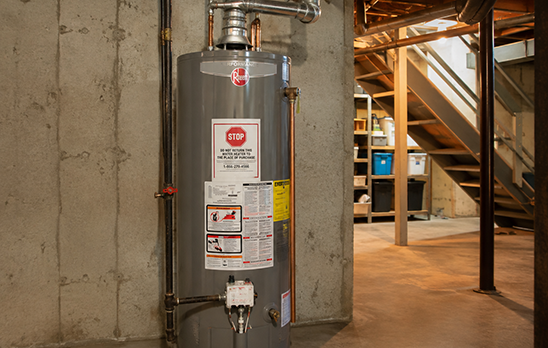
- Determine the age and condition of your water heater.
- Check water pressure and drainage throughout the home.
- Identify whether your home uses municipal sewer or a septic system.
Older homes may also have galvanized steel, copper, or other aging plumbing materials that deserve closer attention.
4. Check Your Water Heater and Water Quality
Your water heater is essential to everyday comfort, yet it is often overlooked until hot water becomes unreliable.
Find out when the unit was installed, whether it has been maintained, and if it is properly sized for your household.
New homeowners should also consider testing their water, particularly in homes with private wells. Hard water, sediment, and other water quality issues can affect plumbing fixtures, appliances, and water heater performance.
Depending on the results, a whole-home filtration system, water softener, or point-of-use treatment system may be worth considering.
5. Look for Opportunities to Improve Energy Efficiency
Moving into a new home is an ideal time to evaluate how efficiently it uses energy.
Some simple improvements include:
- Installing a programmable or smart thermostat.
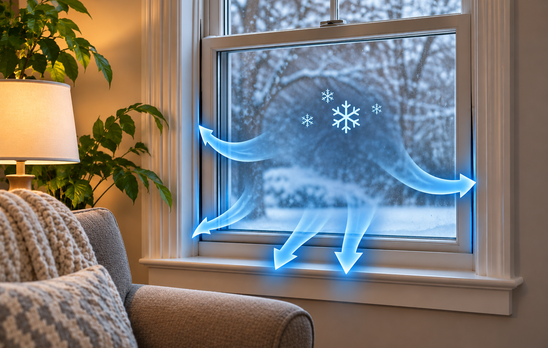
- Sealing drafts around windows and exterior doors.
- Insulating exposed hot water pipes.
- Checking attic insulation and accessible ductwork.
- Scheduling seasonal HVAC maintenance.
These improvements can help reduce heating and cooling costs while improving comfort throughout the home.
6. Establish a Preventive Maintenance Schedule
One of the best ways to avoid expensive surprises is to establish a regular maintenance routine from the beginning.
Heating systems should generally be serviced before winter, while air conditioning equipment should be inspected before summer. Water heaters, plumbing connections, drains, and other mechanical components should also receive periodic attention.
Keep your home inspection report alongside records of maintenance, repairs, and equipment installations. Together, these documents can help you track outstanding concerns, plan future improvements, and budget for eventual replacements.
Start Homeownership With the Right Information
Your home’s mechanical systems are among its most important and expensive components. Understanding their condition, addressing issues identified during your home inspection, and establishing a preventive maintenance plan can help you avoid unnecessary expenses and enjoy your new home with fewer surprises.
McMackin Mechanical provides professional HVAC and plumbing inspections, maintenance, repairs, and installations for homeowners throughout Doylestown, Bucks County, and surrounding Pennsylvania communities.
Whether you’ve purchased an older home or recently moved into new construction, our team can help you understand your home’s heating, cooling, and plumbing systems and keep them operating reliably for years to come.
Related Posts
Comments (0)