Gas piping is one of those home systems that is…
Aging Homes, Aging Pipes: When Should You Consider Replacing Your Plumbing?
Many homes throughout Bucks County and surrounding Pennsylvania communities were built decades ago, and while older homes offer character and craftsmanship, the plumbing behind the walls may be approaching the end of its useful life. Pipes are designed to last for many years, but age, corrosion, water quality, and previous repairs can all impact how well your plumbing system performs.
Knowing the warning signs of aging pipes can help homeowners avoid unexpected leaks, water damage, and costly emergency repairs.
How Long Does Plumbing Last?
The lifespan of your plumbing depends heavily on the material, installation quality, and water conditions. Many older homes still rely on materials that were common decades ago but may no longer provide the performance homeowners expect today.
Common residential plumbing materials include:
Copper Pipes
Copper has been widely used for decades and can last 50 years or more when properly installed. However, corrosion, acidic water, and age can eventually lead to pinhole leaks and reduced reliability.
Galvanized Steel Pipes
Common in many older homes, galvanized pipes are especially prone to internal corrosion. Over time, rust and mineral buildup can narrow the inside of the pipe, reducing water pressure and affecting water quality.
PEX Piping
Modern PEX piping is flexible, durable, and resistant to corrosion. Many homeowners choose PEX when replacing older plumbing because it can be easier to install and performs well in today’s homes.
Signs Your Plumbing May Need Replacement
Aging pipes often provide warning signs before a major failure occurs. Homeowners should watch for:
- Frequent leaks or repeated plumbing repairs
- Lower water pressure throughout the home
- Rust-colored or discolored water
- Unusual tastes or odors from faucets
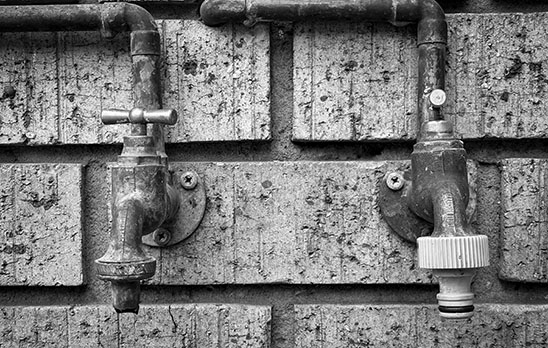
- Visible corrosion around exposed pipes
- Water stains on ceilings, walls, or floors
- Fluctuating water temperatures
A single plumbing repair may not mean your entire system needs replacement, but recurring issues throughout the home often indicate a larger problem.
Why Old Pipes Can Become a Bigger Issue Over Time
Aging plumbing doesn’t always fail all at once. Problems often develop slowly behind walls, under floors, or in areas homeowners rarely inspect.
Older pipes can contribute to:
- Hidden leaks that lead to mold and structural damage
- Increased risk of burst pipes
- Reduced efficiency from fixtures and appliances
- Higher water bills from unnoticed leaks
- Poor performance from water heaters and filtration systems
Addressing outdated plumbing before a major failure gives homeowners more control over timing, cost, and repair options.
Should You Repair or Replace Aging Pipes?
The right solution depends on the condition of your plumbing system. If a single fixture or pipe section is causing problems, a targeted repair may be enough. However, if leaks are becoming more frequent or multiple areas of the home are affected, replacement may be the smarter long-term investment.
Many homeowners choose to upgrade plumbing during:
- Kitchen renovations
- Bathroom remodels
- Basement finishing projects
- Water heater replacements
- Major HVAC or home efficiency improvements
These projects create opportunities to update hidden systems before problems develop.
Protect Your Home with a Plumbing Inspection
Your plumbing system is easy to ignore until something goes wrong. Regular inspections can identify aging materials, corrosion, pressure issues, and small leaks before they become expensive emergencies.
McMackin Mechanical provides professional plumbing inspections, repairs, and replacement solutions for homeowners throughout Bucks County and surrounding Pennsylvania communities. Whether you are dealing with an older home, recurring leaks, or concerns about your plumbing system’s age, our team can help determine the right solution to keep your home running safely and reliably.
Related Posts