Gas piping is one of those home systems that is…
How Long Do HVAC Systems Last? A Homeowner’s Guide to Equipment Life Expectancy
Your home’s HVAC system is one of its largest investments, yet many homeowners don’t think about it until something stops working. While every system eventually reaches the end of its service life, regular professional maintenance can significantly extend its lifespan, improve efficiency, and help prevent unexpected breakdowns.
If you’re wondering whether it’s time to repair or replace your equipment, here’s what you should know about the typical lifespan of today’s most common HVAC systems.
Central Air Conditioners
Typical lifespan: 12 to 15 years
Your air conditioner works hardest during the hottest days of summer, making routine maintenance essential. Dirty coils, low refrigerant, clogged filters, and failing electrical components force the system to work harder, increasing wear and energy consumption.
Professional maintenance helps:
- Clean condenser and evaporator coils
- Verify refrigerant charge
- Inspect electrical components
- Improve airflow
- Reduce operating costs
Many well-maintained systems continue operating reliably beyond 15 years, while neglected equipment often requires major repairs much sooner.
Furnaces
Typical lifespan: 15 to 20 years
Whether your home is heated by natural gas, propane, or oil, annual inspections are important for both efficiency and safety.
Routine maintenance includes:
- Cleaning burners
- Inspecting the heat exchanger
- Testing safety controls
- Checking airflow
- Replacing filters
A properly maintained furnace not only lasts longer but also operates more safely throughout the heating season.
Heat Pumps
Typical lifespan: 10 to 15 years
Unlike traditional heating and cooling systems, heat pumps operate year-round, providing both heating and air conditioning. Because they run more frequently, preventive maintenance becomes even more important.
Regular service helps:
- Maintain proper refrigerant levels
- Inspect reversing valves
- Clean indoor and outdoor coils
- Improve efficiency during both heating and cooling seasons
Boilers
Typical lifespan: 20 to 30 years
Boilers generally last longer than forced-air systems, but they still require periodic service to maintain efficiency and reliability.
Maintenance typically includes:
- Inspecting burners and combustion
- Checking pumps and expansion tanks
- Testing safety controls
- Flushing sediment when necessary
- Verifying proper operating pressure
With proper care, many boilers continue operating efficiently for decades.
Water Heaters
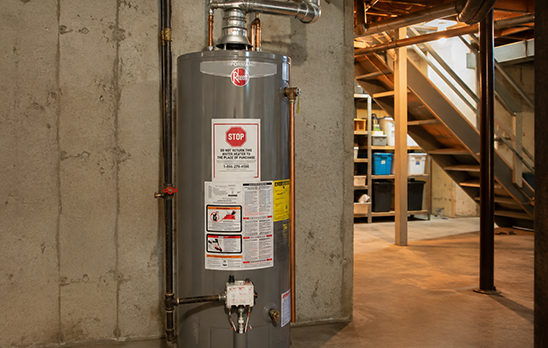
Traditional tank water heaters: 8 to 12 years
Tankless water heaters: 15 to 20 years
Sediment buildup is one of the biggest factors affecting water heater performance. Annual flushing helps improve efficiency while reducing wear on heating elements and internal components.
Signs maintenance may be overdue include:
- Reduced hot water capacity
- Strange noises
- Rust-colored water
- Fluctuating water temperatures
Ductwork
Typical lifespan: 20 to 25 years
While ducts don’t contain moving parts, they can develop leaks, loose connections, and insulation failures over time. Even small leaks reduce system efficiency and increase heating and cooling costs.
Periodic inspections help identify:
- Air leaks
- Damaged insulation
- Restricted airflow
- Excess dust accumulation
Air Filters
Typical replacement: Every 1 to 3 months
Replacing your air filter is one of the easiest ways to improve HVAC performance. A clogged filter restricts airflow, forcing your equipment to work harder while reducing comfort throughout the home.
Why Preventive Maintenance Pays Off
Routine HVAC maintenance is about more than avoiding repairs. It helps your entire system operate the way it was designed.
Benefits include:
- Lower monthly energy bills
- More consistent indoor temperatures
- Improved indoor air quality
- Fewer unexpected breakdowns
- Longer equipment life
- Better overall system performance
Many manufacturers also require documented maintenance to keep warranty coverage in effect.
Know When It’s Time to Replace
Even the best-maintained equipment will eventually reach the end of its useful life. If your system is approaching its expected lifespan, requires frequent repairs, struggles to keep your home comfortable, or has become noticeably less efficient, it may be time to discuss replacement options.
A professional evaluation can help determine whether continued repairs make financial sense or whether investing in newer, more efficient equipment will provide better long-term value.
For homeowners throughout Bucks County and surrounding Pennsylvania communities, McMackin Mechanical provides comprehensive HVAC maintenance, repairs, and system replacements. Whether your equipment is five years old or twenty-five, regular professional service is one of the best investments you can make to protect your comfort, improve efficiency, and maximize the life of your HVAC system.
Related Posts